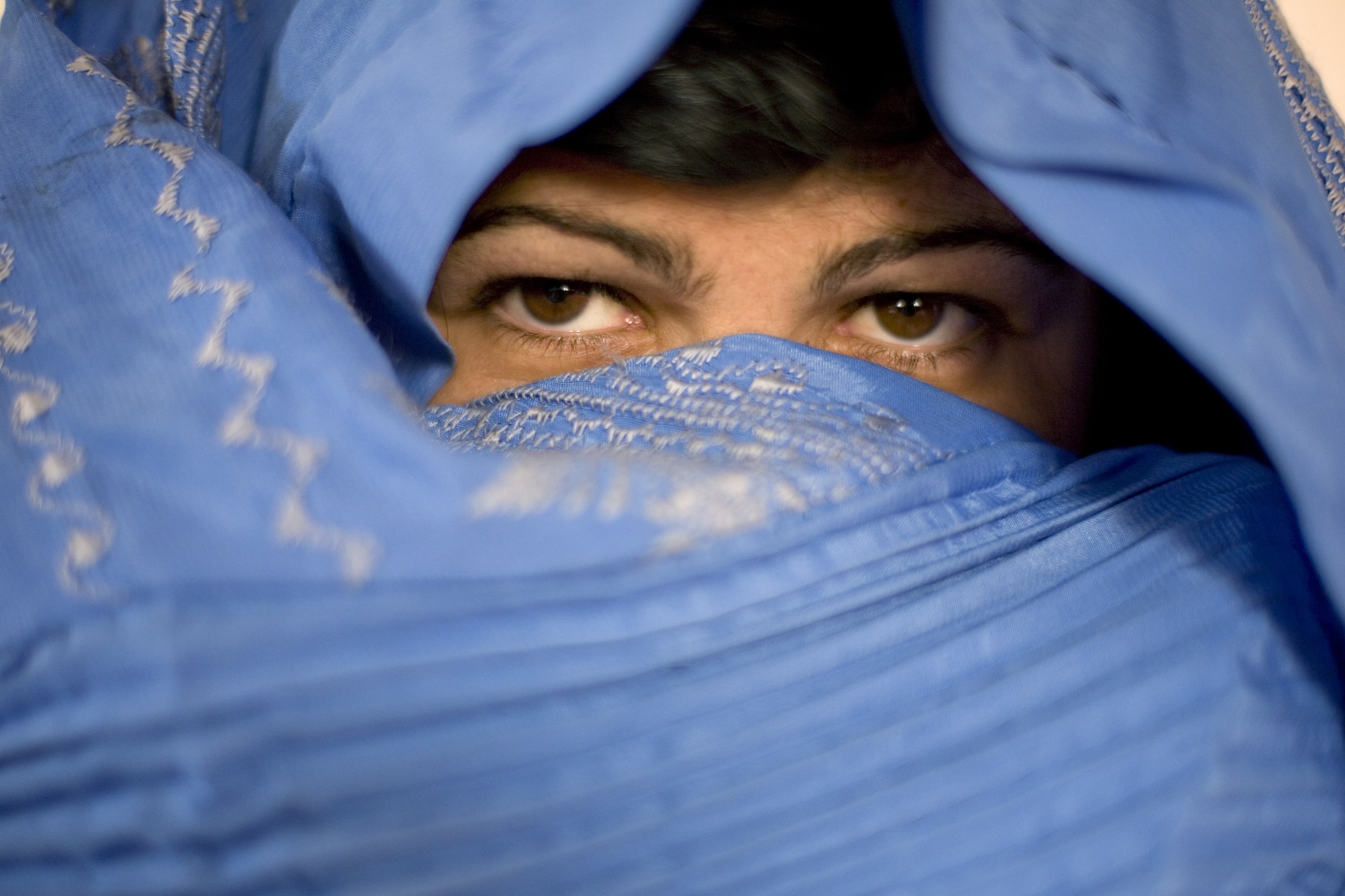

A court has temporarily suspended a directive to expel the students, but the threat of eviction lingers amid broader Pakistan-Afghanistan tensions.


By Abid Hussain
Published On 11 Sep 202611 Sep 2026
Updated: 11 Sep 2026 08:55 AM (GMT)
Islamabad, Pakistan – Alishba*, a medical student, was on a maternity ward night shift in Lahore when her phone began filling with messages on September 8.
“Someone said, ‘We’ve received a notification that almost 20 students are being expelled,’” she told Al Jazeera. “My first reaction was, this is nonsense. How could a government expel students from universities without any reason?”
By morning, it was not nonsense. She was one of nearly two dozen Afghan nationals named on her college’s expulsion list, circulating on Facebook within hours, all given less than three days to prepare to leave the only country where, as a woman, she has been able to study medicine at all.
On September 1, the Pakistan Medical and Dental Council (PMDC), the country’s medical regulator, ordered universities and colleges to send enrolled Afghan students home. They were also barred from any new admissions, transfers or migrations of Afghan nationals for the current academic year.
In all, more than 200 Afghan students are currently enrolled in Pakistani medical or dental colleges, according to the PMDC, and most of them have been hit.
On September 11, they got temporary reprieve: Lahore High Court on Friday suspended the implementation of the PMDC directives, hearing petitions from Afghan students. The petitioners, represented by advocate Asad Jamal, argued PMDC had exceeded its jurisdiction under its own governing act and that students had been “condemned unheard”, their rights to education, life and dignity violated without any opportunity to respond.
The court noted some petitioners had studied in Pakistan for four years before now being told to leave. “Until yesterday, these were favoured children,” Justice Khalid Ishaq remarked. “Today, the policy has changed.”
The case returns to court on September 18, by which point PMDC, the Ministry of National Health Services, and the vice chancellors of affected institutions are required to file their responses. Until then, the students have respite from any punitive measure, Jamal, their lawyer, said.
“The judge very clearly stated in the courtroom that the students will be allowed to sit their exams, join classes, resume studies, and go back to their hostels, and no coercive measures can be taken against them,” he told Al Jazeera.
But the threat of expulsion lingers – a fear students must now live with, alongside their studies, while the case proceeds in court.
“I want to cry every minute,” Alishba said. “We are not dolls for them to play with. This is our life.”
A directive without a warning
In a statement issued to justify its directive, the PMDC had argued that all foreign students enrolled in Pakistani medical or dental institutions needed to be registered with the regulator.
It said “only 22 are presently registered” with the PMDC – including 14 who have graduated, and eight who are about to graduate.
But many of the other students came through the Allama Iqbal Scholarship, a programme run by Pakistan’s Higher Education Commission (HEC) with the Pakistani embassy in Kabul for top-scoring Afghan students.
And the students say neither any Pakistani government agency nor their colleges told them at the time that they also needed to register with the PMDC, a body that – per its official mandate – both oversees medical practitioners and is supposed to register medical and dental students.
“I came to Pakistan in 2021,” Alishba said. “They [Pakistan] provided us the scholarship, processed entirely through HEC and the embassy.”
Nevertheless, within days of the PMDC directive, institutions across different parts of the country began issuing eviction notices, in some cases giving students as little as 24 hours to clear their hostel rooms.
The order comes amid a broader, years-long expulsion drive that has coincided with a dramatic plunge in relations between Islamabad and the Taliban government in Kabul, marked by a rise in cross-border attacks and clashes along the two countries’ shared border.
Pakistan launched what it called the Illegal Foreigners’ Repatriation Plan in late 2023, initially targeting undocumented migrants, after authorities said Afghan nationals had carried out 14 of 24 suicide bombings recorded in the country that year.
Read original Al Jazeera post HERE