
Press release: Date: 10 June 2026
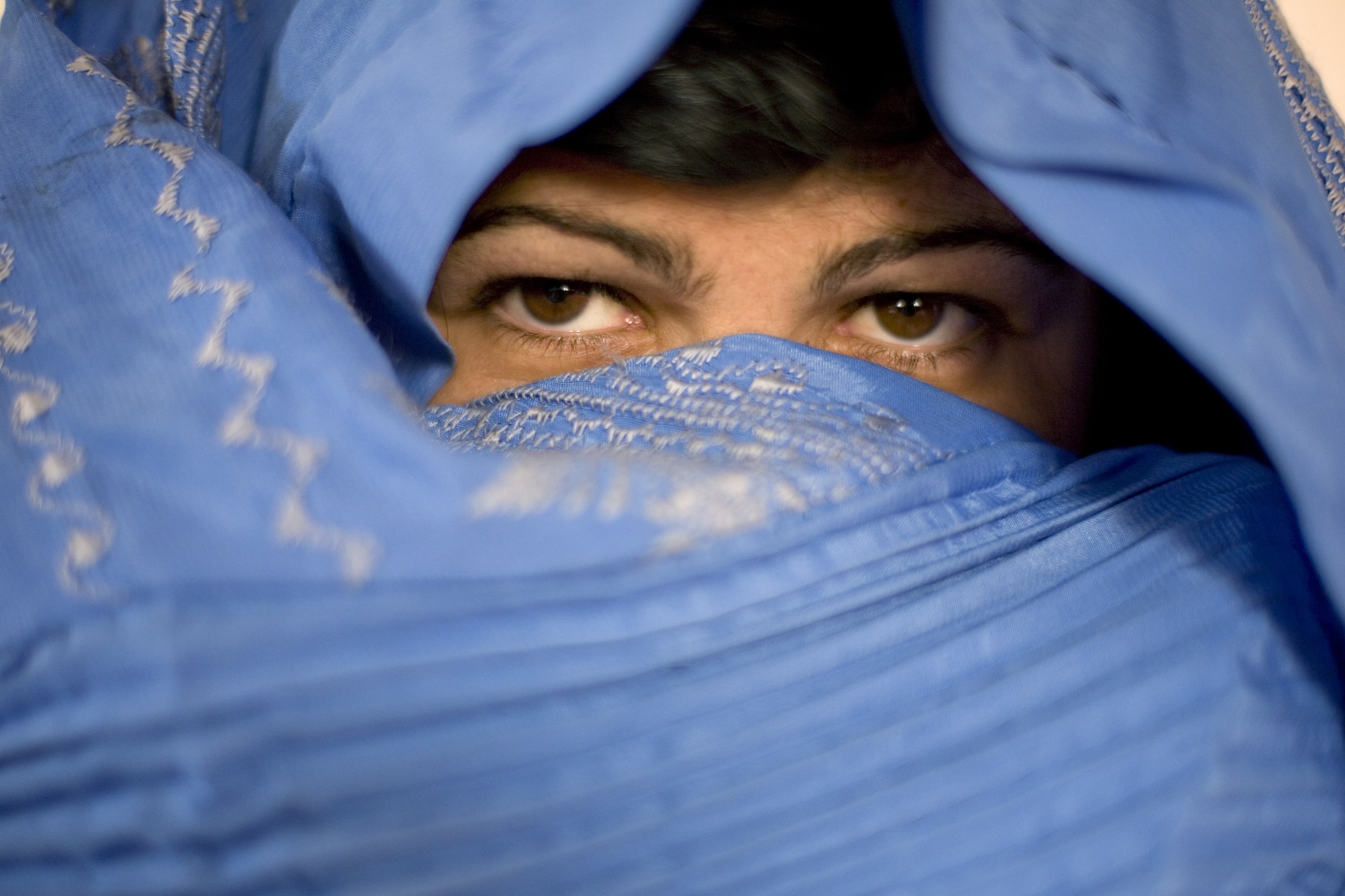
We, a group of the people of Afghanistan, human rights defenders, civil society activists, journalists, academics, experts, women’s rights activists and other social groups, express our deep concern and sorrow and strongly condemn the recent bloody events in Herat province, which occurred following public protests against the Taliban’s new decrees on the compulsory covering of women’s faces.
The current crisis began after the Taliban reportedly announced on Friday that women who did not comply with the newly imposed requirements on face covering would be detained. This announcement created an atmosphere of fear, anxiety and widespread concern among women and families in Herat. It was followed by reports of Taliban morality police detaining women in public spaces, including women who, according to witnesses, were already fully covered. The public protests in Herat were a direct response to this campaign of intimidation, arbitrary detention and gender-based repression. The detention of women carries severe consequences and imposed social shame, and in a traditional society such as Afghanistan, it can have deeply harmful consequences for women.
These arrests are taking place in Herat, a deeply traditional province where women have always observed hijab. Therefore, the repression and detention of women in this province demonstrate that the Taliban’s actions are not about dress, but about imposing absolute control over women’s bodies, presence, freedom and dignity.
According to initial reports and eyewitness accounts, a protest that began yesterday in Jebrael Township of Herat province, in opposition to the Taliban’s new restrictions on women, particularly the compulsory covering of women’s faces and the arrest and detention of a number of women on this pretext, was met with a violent response by Taliban forces. Reports indicate that, as a result of this We, a group of the people of Afghanistan, human rights defenders, civil society activists, journalists, academics, experts, women’s rights activists and other social groups, express our deep concern and sorrow and strongly condemn the recent bloody events in Herat province, which occurred following public protests against the Taliban’s new decrees on the compulsory covering of women’s faces.
The current crisis began after the Taliban reportedly announced on Friday that women who did not comply with the newly imposed requirements on face covering would be detained. This announcement created an atmosphere of fear, anxiety and widespread concern among women and families in Herat. It was followed by reports of Taliban morality police detaining women in public spaces, including women who, according to witnesses, were already fully covered. The public protests in Herat were a direct response to this campaign of intimidation, arbitrary detention and gender-based repression. The detention of women carries severe consequences and imposed social shame, and in a traditional society such as Afghanistan, it can have deeply harmful consequences for women.
These arrests are taking place in Herat, a deeply traditional province where women have always observed hijab. Therefore, the repression and detention of women in this province demonstrate that the Taliban’s actions are not about dress, but about imposing absolute control over women’s bodies, presence, freedom and dignity.
According to initial reports and eyewitness accounts, a protest that began yesterday in Jebrael Township of Herat province, in opposition to the Taliban’s new restrictions on women, particularly the compulsory covering of women’s faces and the arrest and detention of a number of women on this pretext, was met with a violent response by Taliban forces. Reports indicate that, as a result of this We, a group of the people of Afghanistan, human rights defenders, civil society activists, journalists, academics, experts, women’s rights activists and other social groups, express our deep concern and sorrow and strongly condemn the recent bloody events in Herat province, which occurred following public protests against the Taliban’s new decrees on the compulsory covering of women’s faces.
The current crisis began after the Taliban reportedly announced on Friday that women who did not comply with the newly imposed requirements on face covering would be detained. This announcement created an atmosphere of fear, anxiety and widespread concern among women and families in Herat. It was followed by reports of Taliban morality police detaining women in public spaces, including women who, according to witnesses, were already fully covered. The public protests in Herat were a direct response to this campaign of intimidation, arbitrary detention and gender-based repression. The detention of women carries severe consequences and imposed social shame, and in a traditional society such as Afghanistan, it can have deeply harmful consequences for women.
These arrests are taking place in Herat, a deeply traditional province where women have always observed hijab. Therefore, the repression and detention of women in this province demonstrate that the Taliban’s actions are not about dress, but about imposing absolute control over women’s bodies, presence, freedom and dignity.
According to initial reports and eyewitness accounts, a protest that began yesterday in Jebrael Township of Herat province, in opposition to the Taliban’s new restrictions on women, particularly the compulsory covering of women’s faces and the arrest and detention of a number of women on this pretext, was met with a violent response by Taliban forces. Reports indicate that, as a result of this crackdown, a number of protesters were killed and injured, and others were arrested.
In this context, an eyewitness to the detention of women in Herat stated:
“I had gone with my sister to the Lailami market when I suddenly saw three Taliban morality police officers arresting women who were wearing prayer veils and were covered from head to toe. At that moment, the situation escalated. Men tried to intervene, but it did not work. My sister and I both hid inside a shop out of fear. For three days now, I have had a severe headache and I feel unwell. I still blame myself and say to myself: I wish I had not been born a woman; and if I had been born a woman, I wish at least I had not been born in this woman-hating geography called Afghanistan. I do not know why, in the eyes of the Taliban, being a woman is a crime.”
The Taliban’s new decrees in Herat regarding the covering of women’s faces and the arrest of women because of their manner of dress are part of the broader process of the systematic repression of women in Afghanistan. These actions not only destroy women’s individual and social freedoms, but also deprive them of presence in society, education, work, public crackdown, a number of protesters were killed and injured, and others were arrested.
In this context, an eyewitness to the detention of women in Herat stated:
“I had gone with my sister to the Lailami market when I suddenly saw three Taliban morality police officers arresting women who were wearing prayer veils and were covered from head to toe. At that moment, the situation escalated. Men tried to intervene, but it did not work. My sister and I both hid inside a shop out of fear. For three days now, I have had a severe headache and I feel unwell. I still blame myself and say to myself: I wish I had not been born a woman; and if I had been born a woman, I wish at least I had not been born in this woman-hating geography called Afghanistan. I do not know why, in the eyes of the Taliban, being a woman is a crime.”
The Taliban’s new decrees in Herat regarding the covering of women’s faces and the arrest of women because of their manner of dress are part of the broader process of the systematic repression of women in Afghanistan. These actions not only destroy women’s individual and social freedoms, but also deprive them of presence in society, education, work, public crackdown, a number of protesters were killed and injured, and others were arrested.
In this context, an eyewitness to the detention of women in Herat stated:
“I had gone with my sister to the Lailami market when I suddenly saw three Taliban morality police officers arresting women who were wearing prayer veils and were covered from head to toe. At that moment, the situation escalated. Men tried to intervene, but it did not work. My sister and I both hid inside a shop out of fear. For three days now, I have had a severe headache and I feel unwell. I still blame myself and say to myself: I wish I had not been born a woman; and if I had been born a woman, I wish at least I had not been born in this woman-hating geography called Afghanistan. I do not know why, in the eyes of the Taliban, being a woman is a crime.”
The Taliban’s new decrees in Herat regarding the covering of women’s faces and the arrest of women because of their manner of dress are part of the broader process of the systematic repression of women in Afghanistan. These actions not only destroy women’s individual and social freedoms, but also deprive them of presence in society, education, work, public participation and living with human dignity. Such policies are a clear example of organized discrimination, gender-based repression and gender apartheid against the women and girls of Afghanistan.
We call on the international community, the United Nations, the Human Rights Council, international human rights organizations, the European Union, the Organization of Islamic Cooperation, countries and influential institutions not to remain silent in the face of this bloody crackdown and the Taliban’s discriminatory policies. Silence in the face of gender apartheid in Afghanistan means normalizing systematic oppression against millions of Afghan women and girls.
We demand the following:
The Taliban de facto Government must:
- Immediately and unconditionally release all women, protesters, civil society activists and citizens who have been arrested following these protests;
- Immediately stop the Taliban decrees and actions that lead to the arrest, threat, harassment and restriction of women because of their dress or social presence;
- End the suppression of peaceful protests, threats against citizens, harassment of families and the use of force against women, protesters, journalists and civil society activists.
The international community, the United Nations and international institutions must:
5. Recognize the situation of women in Afghanistan as a clear example of gender apartheid and adopt practical and legal international measures to ensure accountability for its perpetrators;
6. Urgently deploy an independent international investigative and fact-finding team to Herat to document the recent events, identify victims and perpetrators, preserve evidence, interview witnesses safely, assess the condition and whereabouts of those detained, and report publicly on the killings, injuries, arrests and other abuses committed in connection with the protests;
7. Apply political, diplomatic and targeted pressure on the Taliban, including individual travel bans and financial sanctions against all Taliban officials and commanders who are responsible for, involved in, or enabling the persecution of women, the suppression of peaceful protests, arbitrary arrests, torture, enforced disappearances and other serious human rights violations.
The European Union and its member states must:
8. Make any political, technical, consular or diplomatic engagement with the Taliban conditional upon respect for human rights, especially the rights of women and girls, the cessation of the repression of protesters, the release of detainees and the annulment of discriminatory decrees against women;
9. Refrain from inviting Taliban representatives to official or technical meetings and dialogues without taking into account the situation of victims, women, protesters, journalists and human rights defenders, as such actions carry the risk of normalizing repression and granting practical legitimacy to a system of gender apartheid;
10. In particular, countries that are seeking to expand consular interactions or hand over Afghan missions to Taliban-affiliated individuals must refrain from any action that would lead to strengthening the Taliban’s political position, giving them access to the information of Afghan citizens, or weakening independent and non-Taliban Afghan missions abroad;
11. Guarantee that no process of dialogue, engagement or decision-making regarding Afghanistan takes place without the meaningful presence of Afghan women, victims, civil society, independent journalists, human rights defenders and the real representatives of the people of Afghanistan. Any international engagement with the Taliban must be transparent, accountable, conditional and based on clear human rights standards, not on short-term security, migration or political considerations.


