
- by Siyar Sirat
- May 7, 2026
Women and girls in Afghanistan are facing a rapidly deepening humanitarian crisis marked by hunger, economic desperation, worsening health care access and growing social isolation, according to a major new gender analysis released by humanitarian organizations working in the country.

The report, produced by the Afghanistan Gender Coordination Group with support from UN agencies, says the overlapping effects of Taliban restrictions, economic collapse, climate disasters and shrinking international aid are disproportionately harming women and girls and pushing many households toward increasingly dangerous coping mechanisms.
“Restrictions on women’s mobility and participation, combined with economic strain, funding cuts to humanitarian programs, shocks and migration pressures, are pushing women and girls across Afghanistan into deeper deprivation and higher protection risks,” the report says.
The 33-page assessment paints one of the starkest pictures yet of how life has deteriorated for Afghan women nearly five years after the Taliban returned to power.
According to the report, an estimated 21.9 million people — about 45 percent of Afghanistan’s population — are expected to require humanitarian assistance in 2026, including more than 10.7 million women and girls.
Researchers found that women-headed households, most led by widows, face the most acute hardship. Such households consistently reported higher levels of hunger, debt, displacement risk and barriers to health care, shelter and aid access than male-headed households.
Food insecurity emerged as one of the report’s most severe findings.
Only 14 percent of women-headed households had what humanitarian researchers classified as an acceptable food consumption score, compared with 22 percent of male-headed households. Forty-one percent of women-headed households reported having no food in the home at times because of a lack of resources, while 42 percent said family members had gone to sleep hungry in the previous month.
The report says women and girls often eat last and least within households facing shortages, making them especially vulnerable to malnutrition.
The analysis also documented widespread use of what aid agencies classify as “negative coping mechanisms.” Women-headed households were significantly more likely to reduce spending on health care, withdraw children from school, send children to work or rely on begging and charity to survive.
In some cases, economic desperation was linked to early marriage for girls. Four percent of women-headed households reported marrying daughters earlier than intended because of financial pressure, compared with 1 percent of male-headed households.
The report cited separate humanitarian research in which families described marrying off girls as young as 10 in response to poverty and environmental disasters.
The findings underscore how Taliban restrictions have compounded an already severe humanitarian emergency.
Since taking power in August 2021, the Taliban have barred girls from education beyond sixth grade, restricted women from most employment and imposed rules limiting women’s movement and participation in public life. The report says those policies have sharply reduced women’s ability to earn income, access services and participate in humanitarian operations.
The education sector remains among the clearest examples of that exclusion. According to the report, 58 percent of school-age girls are not attending school, compared with 27 percent of boys. The main reason cited was the Taliban’s continued ban on secondary education for girls.
Among women-headed households, 71 percent of respondents said they could not read or write a simple sentence.
The report also warns that restrictions on women aid workers are undermining the humanitarian response itself.
In 2025, Taliban intensified enforcement of bans affecting Afghan women working for UN agencies and humanitarian organizations, including limits on field travel and project implementation. According to the report, more than 60 percent of humanitarian access incidents recorded in one month were related to gender restrictions affecting female staff or beneficiaries.
Aid groups said the shrinking role of women humanitarian workers has directly reduced women’s access to protection services, health care and nutrition assistance.
Health care access has deteriorated sharply, the report found, particularly for women who must often travel with a male guardian, known as a mahram, to seek treatment. Women also face shortages of female medical staff after the closure of training pathways for women in fields including nursing and midwifery.
Funding cuts have compounded the crisis. According to the report, 167 health facilities closed in 2025 alone. The report cited concerns that maternal mortality — already among the world’s highest — may be rising further.
Mental health pressures were also widespread.
Protection monitoring cited in the analysis found high levels of psychological distress among women and children, especially in displaced and returnee households. Children in women-headed households were significantly more likely to exhibit aggressive behavior, sadness and changes in eating patterns linked to stress and insecurity.
At the same time, Afghanistan is struggling to absorb large numbers of returning migrants.
The report says roughly 2.8 million Afghans returned from Iran and Pakistan during 2025, including many women and children, placing additional strain on already fragile communities and humanitarian systems.
Women-headed returnee households faced particularly severe risks. Nearly half reported threats of eviction, compared with 14 percent of male-headed households.
Climate shocks have further intensified the crisis. Severe droughts, flooding and earthquakes in 2025 affected hundreds of thousands of people across Afghanistan, destroying homes, disrupting livelihoods and worsening access to food and clean water.
The report notes that women are often excluded from disaster preparedness information and early warning systems because of restrictions on movement and communication, leaving them more vulnerable during emergencies.
The analysis ultimately concludes that Afghan women and girls are increasingly trapped in what it describes as a “reinforcing cycle” of exclusion, poverty and dependency.
Humanitarian organizations urged donors and aid agencies to expand gender-responsive assistance, protect women-led organizations and prioritize women-headed households in aid distribution and protection services.
But the report warns that declining international funding and growing operational restrictions are limiting the humanitarian system’s ability to respond at a moment when needs are accelerating across nearly every sector of Afghan society.
Read original post HERE.
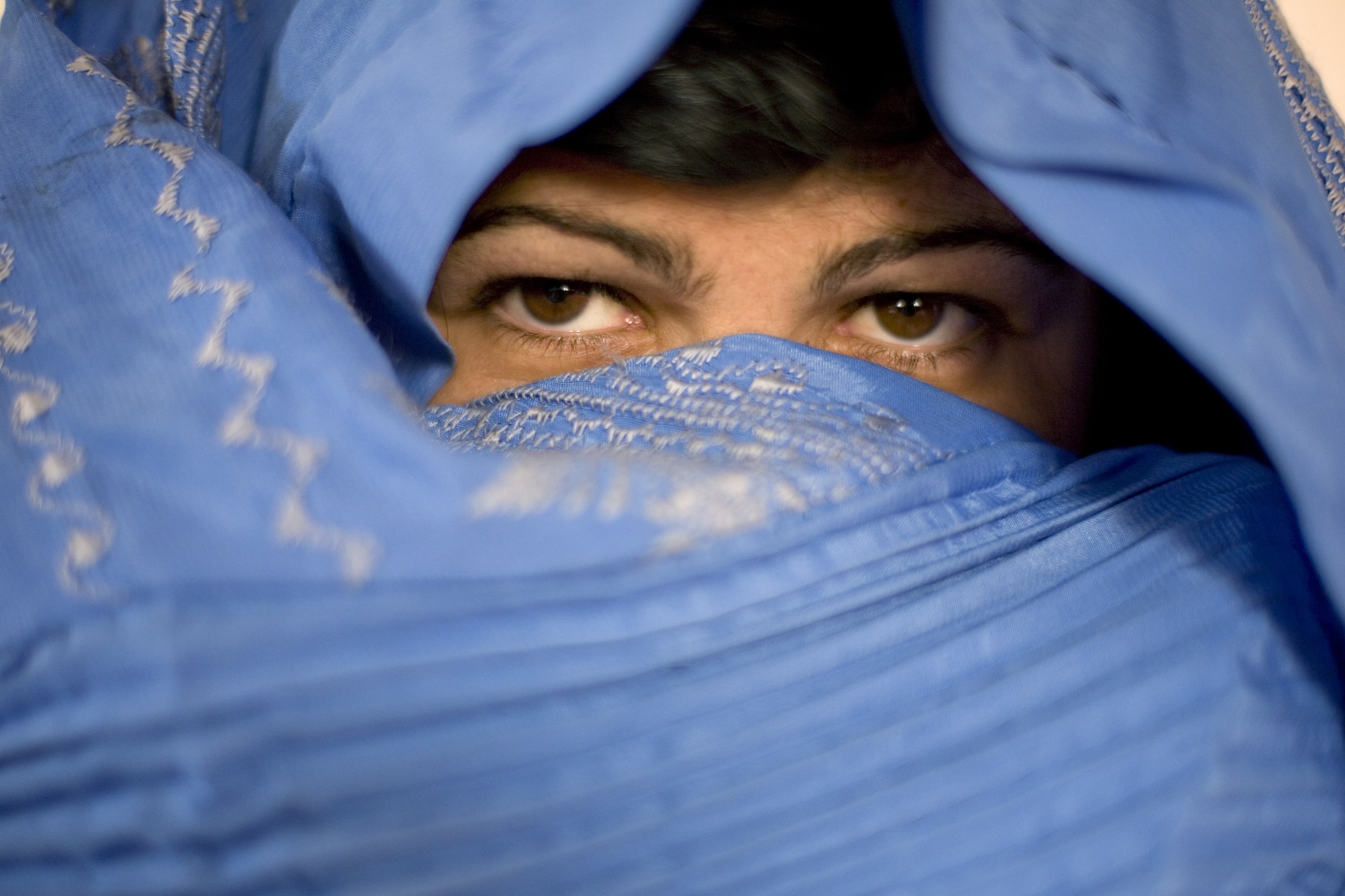
Photo: Archive image from women in Bala Murghab district in Badghis. April 2026.